

AUTO Injury SPECIALISTS
Injury Resource Center
If you've been injured in a car crash, you probably have questions
Why do I still hurt when my X-rays were normal? How long will recovery take? Should I be worried about a concussion? What if my symptoms keep coming back? How do I know if all of my injuries were found?
The Injury Resource Center was created to help answer those questions.
Latest Articles
Browse the latest articles from the Billings Chiropractic Injury Resource Center.

How Do You Know If You Have a Concussion After a Car Crash?
Learn the common signs of concussion after a car crash, why symptoms may be delayed, how concussion is evaluated, and when to seek emergency care in Billings.
What Is a Concussion After a Car Crash?
Learn what a concussion is, why routine brain scans are often normal, common symptoms to watch for, and when to seek care after a car crash in Billings.

Should I Go to the Emergency Room After a Car Crash?
After a car crash, an ER visit can rule out immediate threats – but it cannot identify every injury. Learn why prompt follow-up evaluation is also important.

Headaches After a Car Crash: Why Finding the Right Diagnosis Matters
Headaches after a car crash can have many causes, from neck injuries and concussions to rare but serious conditions like stroke. Learn why an accurate diagnosis matters.

Why Didn’t I Feel Hurt Right After My Car Crash?
Many crash injuries don’t cause immediate pain. Learn why adrenaline can mask symptoms, why pain may appear later, and when you should be evaluated after a collision.

Why Auto Injury Care Is Different – and What That Means for Every Patient
Learn why auto injury care requires detailed evaluation and documentation – and how our Billings clinic brings those same high standards to every patient.

Why Medical Documentation Matters After a Car Crash
Many car crash injuries don’t appear on X-rays or MRIs. Learn why proper medical documentation can play an important role in identifying injuries, guiding recovery, and creating an accurate record of your condition.

What Does It Mean When My Symptoms Keep Coming Back?
Do your symptoms improve and then return after a car crash? Learn why flare-ups happen, what they may reveal about your injuries, and when further evaluation may help.
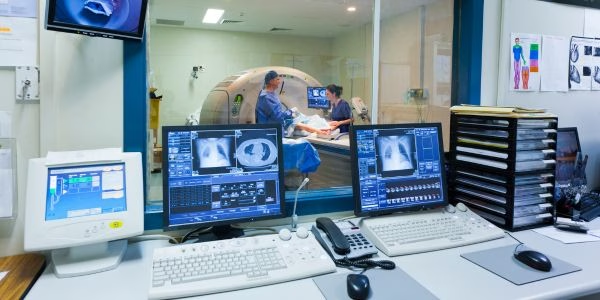
You Can’t Treat an Injury That Was Never Diagnosed
The right treatment starts with the right diagnosis. Learn why missed or incomplete diagnoses can affect recovery after a car crash.
Why This Resource Center Exists
At Billings Chiropractic Injury Clinic, we focus on evaluating, diagnosing, documenting, and treating injuries that commonly occur during motor vehicle collisions. Many crash-related injuries affect muscles, ligaments, joints, discs, nerves, and even the brain. Some of these injuries are obvious immediately after a crash, while others may take days, weeks, or even months to fully develop.
Unfortunately, many people receive incomplete information about their injuries. Some are told everything is normal despite ongoing symptoms. Others are given a diagnosis that explains only part of what they are experiencing. Understanding your condition is often the first step toward making informed decisions about treatment and recovery.
Topics Covered in the Injury Resource Center
The articles in this resource center are designed to help you better understand:
- Common injuries that occur during car crashes
- Why symptoms may persist longer than expected
- The role of medical documentation in injury cases
- Concussion and traumatic brain injury concerns
- Why some injuries are difficult to diagnose
- Recovery timelines and healing expectations
- Permanent injuries and future care considerations
- Factors that can influence recovery outcomes
- Questions patients commonly ask after a collision
While these articles provide educational information, they are not a substitute for a professional evaluation. Every injury event is different, and two people involved in similar crashes may experience very different injuries and recovery experiences.
If you have ongoing symptoms after a collision, a thorough evaluation may help identify injuries that have not yet been fully diagnosed and provide guidance on appropriate treatment options.
When to Seek an Evaluation
Consider an evaluation if:
- Your symptoms have not improved as expected
- You continue to experience neck pain, back pain, headaches, dizziness, numbness, or other persistent symptoms
- Your symptoms come and go without explanation
- You were never given a clear diagnosis
- You want a better understanding of your injuries and recovery options
- You are concerned about a possible concussion or brain injury
At Billings Chiropractic Injury Clinic, our goal is to help patients understand their injuries, receive appropriate care, and build a clear medical record that accurately reflects their condition and recovery process.