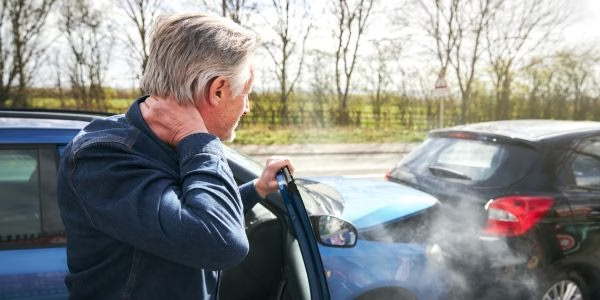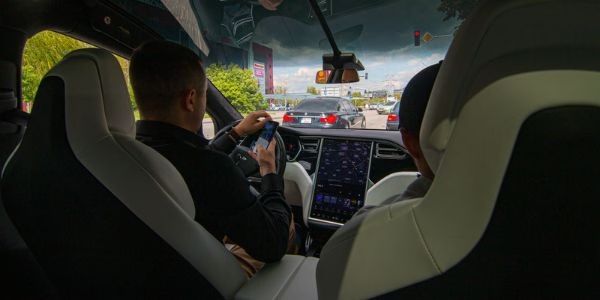
In the fast-paced world of ride-sharing, Uber and Lyft have become convenient alternatives for daily commuting and travel. However, accidents can happen when you least expect them. When you’re involved in an Uber or Lyft accident, your immediate concern should be your well-being.
A crash involving an Uber or Lyft is not like an ordinary fender bender. There can be three or four insurance policies in play: the rideshare driver’s personal policy, the rideshare company’s policy, the other driver’s policy, and your own. Which one pays for your injuries depends mostly on one detail many people never think to ask about: what the driver’s app was doing at the moment of the crash.
This guide explains what to do at the scene, how coverage works under Montana law, and the deadlines that apply. It’s written for passengers, other drivers, cyclists and pedestrians hurt in a crash with a rideshare vehicle.
At the scene: what’s different about a rideshare crash
The basics are the same as any crash: get to safety, call 911 if anyone is hurt, and get a police report. On top of that, a rideshare crash needs a few extra steps.
- Screenshot the trip in your app. If you were a passenger, capture the trip screen showing the driver’s name, vehicle, plate and the time. Trips can be hard to pull up later.
- Ask the driver whether they were logged in to the app, and whether they had accepted a ride. Montana law requires rideshare drivers to tell you this after a crash if you ask, and to share their insurance information. Write down the answer.
- Get both sets of insurance details. Ask for the driver’s personal insurance card and the rideshare coverage details. Drivers must carry proof of rideshare coverage whenever they’re driving for the platform.
- Report the crash in the Uber or Lyft app. Both apps have a safety or incident report. This creates a timestamped record that the company was told.
- Photograph everything. Vehicles, plates, road conditions, the rideshare decal on the windshield, and any visible injuries.
- Get names and numbers of witnesses, including any other passengers in the rideshare car.
- Don’t agree to anything about fault or injuries at the scene. Adrenaline hides pain. Saying “I’m fine” can be quoted back to you weeks later.
Whose insurance pays? It depends on the driver’s app
Montana law sets minimum insurance for rideshare drivers (Montana Code § 69-12-343). The coverage that applies, and how much of it there is, changes with the driver’s status in the app:
1. The app was off. The driver wasn’t working for Uber or Lyft, so it’s treated like any other crash. The driver’s personal auto policy applies, up to that policy’s own limits.
2. The driver was logged in and waiting for a ride request. Rideshare coverage applies. It can come from the driver’s insurer, the rideshare company’s insurer, or both. Montana requires at least $50,000 per person and $100,000 per incident for injuries, plus $25,000 for property damage.
3. The driver had accepted a ride, was on the way to a pickup, or was carrying a passenger. This is the highest level of cover. Montana requires at least $1,000,000 combined for injuries and property damage, again from the driver’s insurer, the company’s insurer, or both.
Two details in Montana’s law protect injured people:
- If the driver’s own insurance has lapsed or isn’t enough, the rideshare company’s insurance must step in from the first dollar.
- The company’s insurer can’t make you wait for the driver’s personal insurer to deny the claim first.
This is why the driver’s app status matters so much. Many personal auto policies exclude driving for hire, so a crash during the “logged in, waiting” period can turn into a back-and-forth between insurers if nobody pins down the facts early.
How this plays out for you
- You were a passenger. The driver had a ride in progress, so the $1,000,000 rideshare coverage is in play if the rideshare driver was at fault. If another driver caused the crash, their insurer is usually the first place a claim goes.
- You were in another car, on a bike, or on foot, and the rideshare driver hit you. Coverage depends on the app status in the table above. This is the situation where asking the driver at the scene pays off.
- The at-fault driver had no insurance or not enough. Your own uninsured/underinsured motorist coverage may apply. Uber says it carries this coverage on rideshare trips only where state law requires it, so check your own policy too.
- You have MedPay on your own policy. Medical payments coverage can help with treatment costs early on, whoever was at fault. Ask your insurer whether you have it.
- You were the rideshare driver. Your own injuries and vehicle are a different question. Uber’s repair coverage during trips only applies if your personal policy includes comprehensive and collision. Talk to your insurer and, if you were hurt, an attorney.
Deadlines that apply in Montana
- Injury claims: generally three years from the date of the crash (Montana Code § 27-2-204).
- Vehicle and property damage: generally two years.
- Shared fault: Montana uses modified comparative negligence. You can still recover if you were partly at fault, as long as your share isn’t greater than everyone else’s combined. Your compensation is reduced by your percentage.
Three years sounds like plenty. But insurers start building their file in the first few days, and gaps in treatment are one of the first things they look for.
Get checked, even if you feel fine
Passengers often feel nothing at the scene. Seatbelt and whiplash injuries commonly show up hours or days later, once adrenaline wears off. Learn why you may not feel hurt right after a crash.
An early evaluation does two jobs. It finds injuries before they settle into chronic problems, and it creates the medical record your claim will rely on. Learn why medical documentation matters after a crash.
At Billings Chiropractic Injury Clinic, auto injuries are our focus. Dr. Mitchell is an Independent Chiropractic Examiner, so he knows what a thorough, well-documented injury record looks like. Many collision patients qualify for $0 out-of-pocket care. Visit our Auto Injury Center or call (406) 969-3805.
Rideshare crash FAQs
Can I sue Uber or Lyft directly? Usually the claim runs through the insurance the company maintains, not a lawsuit against the company itself. Rideshare drivers are generally treated as independent contractors. A personal injury attorney can tell you whether your situation is different.
The driver won’t tell me if they were logged in. What now? Note that they refused, report the crash in the app, and include it in your police report. Insurers and attorneys can get trip data from the company.
Does my own insurance go up if I claim on it after a rideshare crash? It depends on your insurer and who was at fault. Using your own MedPay or uninsured motorist coverage when you weren’t at fault is very different from an at-fault claim. Ask your agent.
I was a passenger and the other driver was at fault. Does the rideshare insurance still matter? It can. If the at-fault driver is uninsured or underinsured, rideshare coverage and your own policy may both come into play.
This article is general information, not legal advice. Insurance terms and Montana law change. For advice on your specific situation, speak to a Montana personal injury attorney.